The top generative engine optimization strategies for AI visibility come down to five moves: let AI crawlers reach your pages, publish content that adds something new, format answers so a model can lift them, earn mentions on sources outside your site, and measure what AI engines do with your brand. A good pick works across ChatGPT, Google AI Overviews and Perplexity, not just one engine. Technical teams should start with strategy 1. Content leads should focus on 2 and 3. Brand and PR owners get the most from 4. Anyone who reports results to leadership needs 5.
The problem is easy to spot. Your Google rankings hold steady, yet AI answers name your competitors and skip you. These engines cite only a few sources per answer, and most guides bury that fact under ten or more overlapping tactics. This AI engine optimization guide keeps five, in the order worth tackling them, with the steps to apply each.
At Nostra AI, we run agents at the edge of ecommerce storefronts, so crawler access and bot traffic are daily work for us. Strategies 1 and 5 draw on that experience.
Confirm that AI crawlers can fetch and read your pages, because an engine cannot cite what it cannot see. This is the cheapest strategy on the list and the one most often skipped.
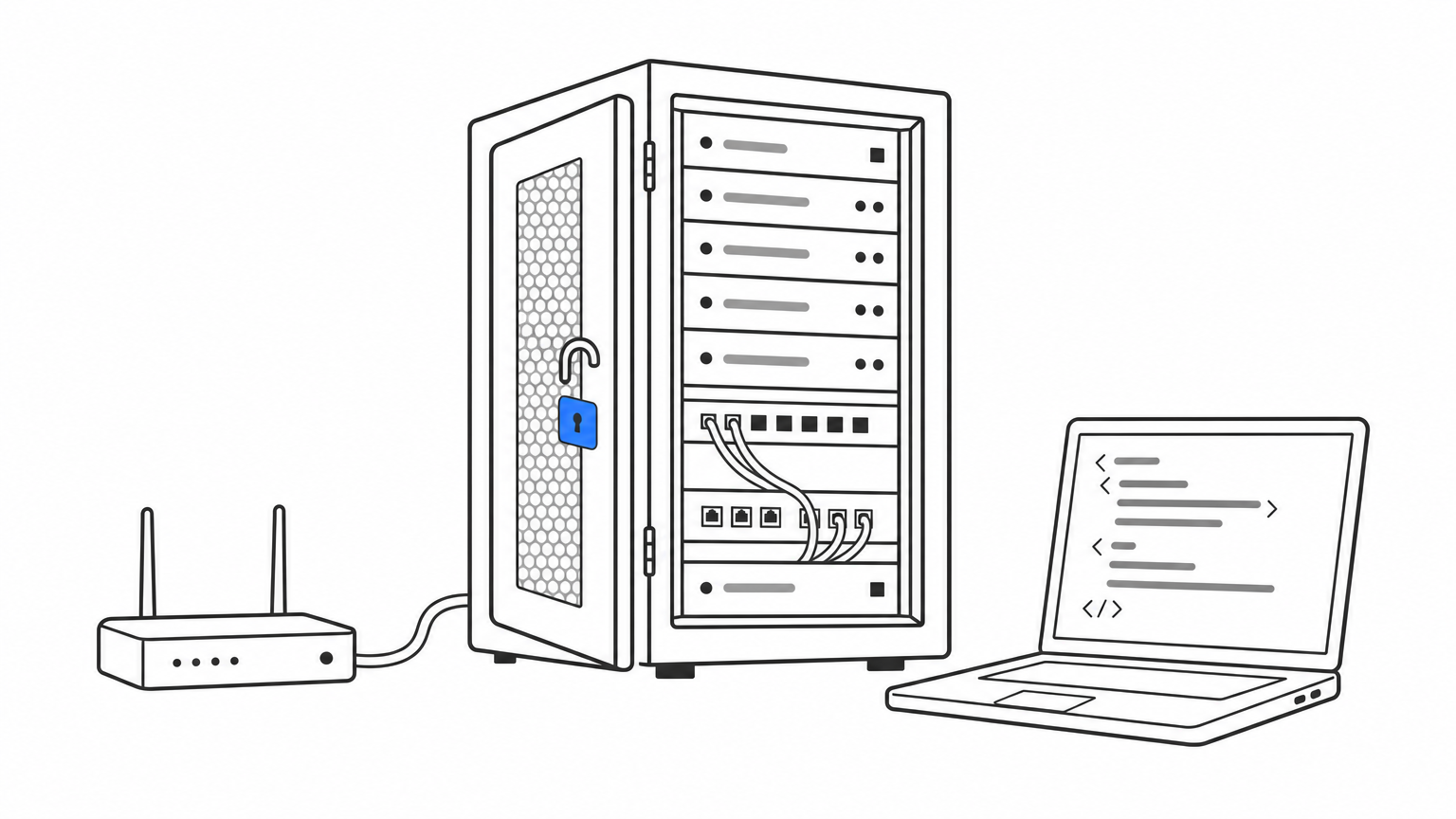
Check your robots.txt, CDN rules and firewall. Many sites block AI user agents by accident, through a blanket bot rule or a security setting that treats unfamiliar crawlers as threats. Allow the crawlers that power answers and citations, and decide separately about training crawlers. Also remember that many AI crawlers do not run JavaScript, so content that loads client-side may be invisible to them. Put key content in the HTML response.
| Crawler | Operator | Main purpose |
|---|---|---|
| Googlebot | Search, including AI Overviews | |
| OAI-SearchBot | OpenAI | ChatGPT search results |
| ChatGPT-User | OpenAI | Fetching pages on a user's request |
| GPTBot | OpenAI | Model training |
| ClaudeBot | Anthropic | Model training |
| PerplexityBot | Perplexity | Perplexity search index |
An AI engine cannot cite a page it was blocked from or could not render.
Every site, but especially ecommerce stores with JavaScript-heavy themes and strict bot defenses. Our Knox agent blocks malicious bots while letting verified crawlers such as Googlebot, ChatGPT and Claude through. Edge Optimization serves prerendered, cached pages without JavaScript to search engine bots, so new and edited pages get indexed faster.
Publish pages that contain something a model cannot assemble from ten other pages. Google's guide to optimizing for generative AI features calls this non-commodity content, and it is the strongest defense against being summarized away.
Add what only you have. Original data, first-hand testing and named examples give an engine a reason to cite you instead of a generic source. The original GEO research paper found that adding statistics, quotations from credible sources and citations raised visibility in generated answers, while keyword stuffing did little. Practical steps:
If ten pages say the same thing, the engine has no reason to cite yours.
Brands sitting on proprietary data. Ecommerce teams often hold sales, fit, ingredient or shipping data that nobody else can publish. Turn it into one clear page per question your buyers ask. A rewrite of a competitor's guide earns nothing.
Lead every section with a direct answer, then support it. Models and AI Overviews quote passages that answer a question on their own, so each section should survive being lifted out of the page.
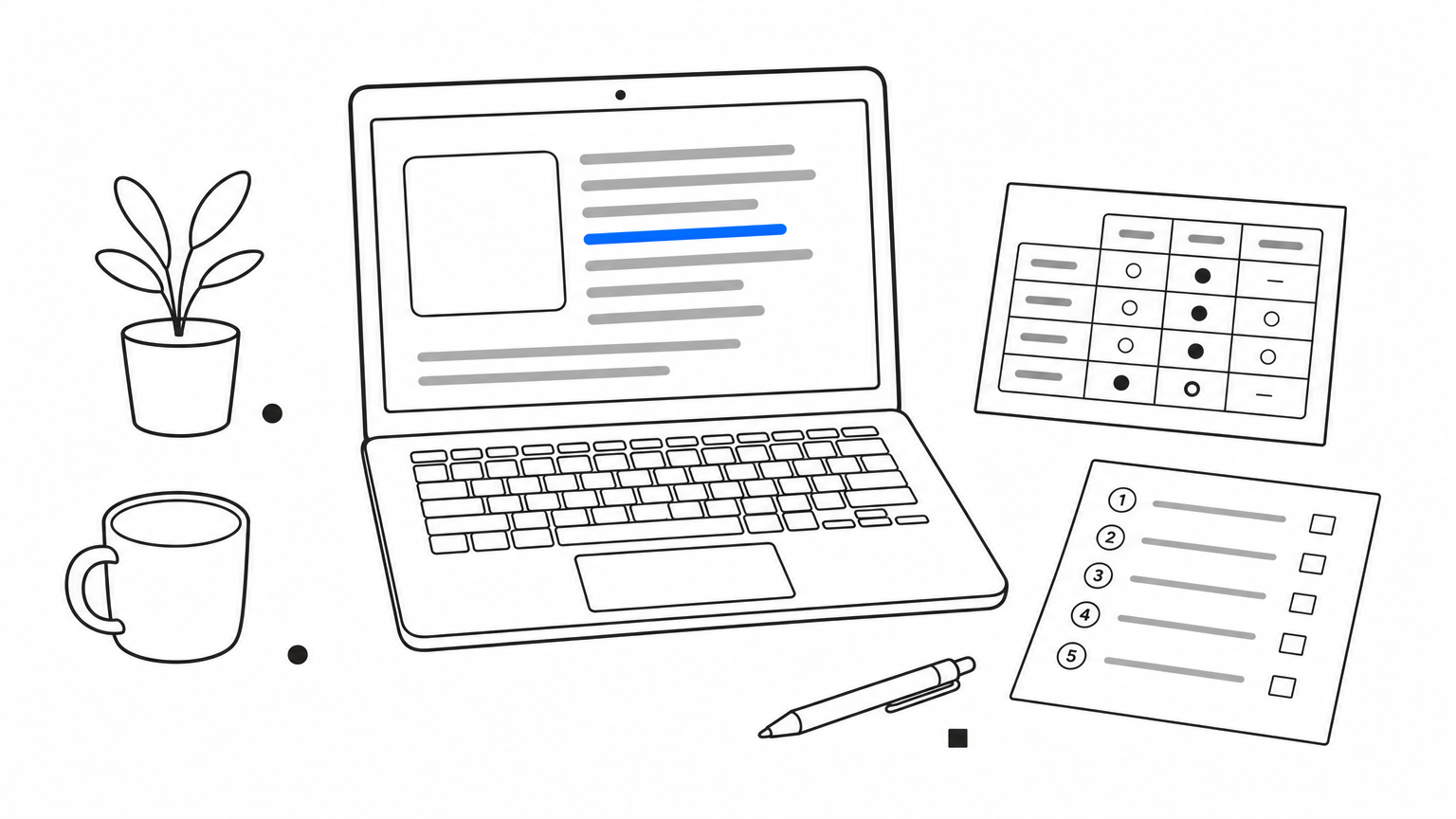
Write headings that match real questions. Answer in the first one or two sentences, then add detail. Use tables for comparisons, numbered lists for steps and short paragraphs with one idea each. Keep claims specific: a named tool, a number or a date beats a vague statement.
Structured data is optional for Google's AI features, but accurate Product, Article and Organization markup removes ambiguity about who you are and what you sell. The markup must match what is visible on the page.
Write every section so it still makes sense when an engine quotes it alone.
Content teams with a large library of long, meandering posts. Start with the ten pages that already get the most organic traffic. Reordering their openings is a quick edit, and those pages are the ones AI engines are most likely to find first.
Get your brand named on third-party pages, because engines build answers from many sources, not just yours. A brand that appears in reviews, roundups, forum threads and publications is easier for a model to recommend with confidence.
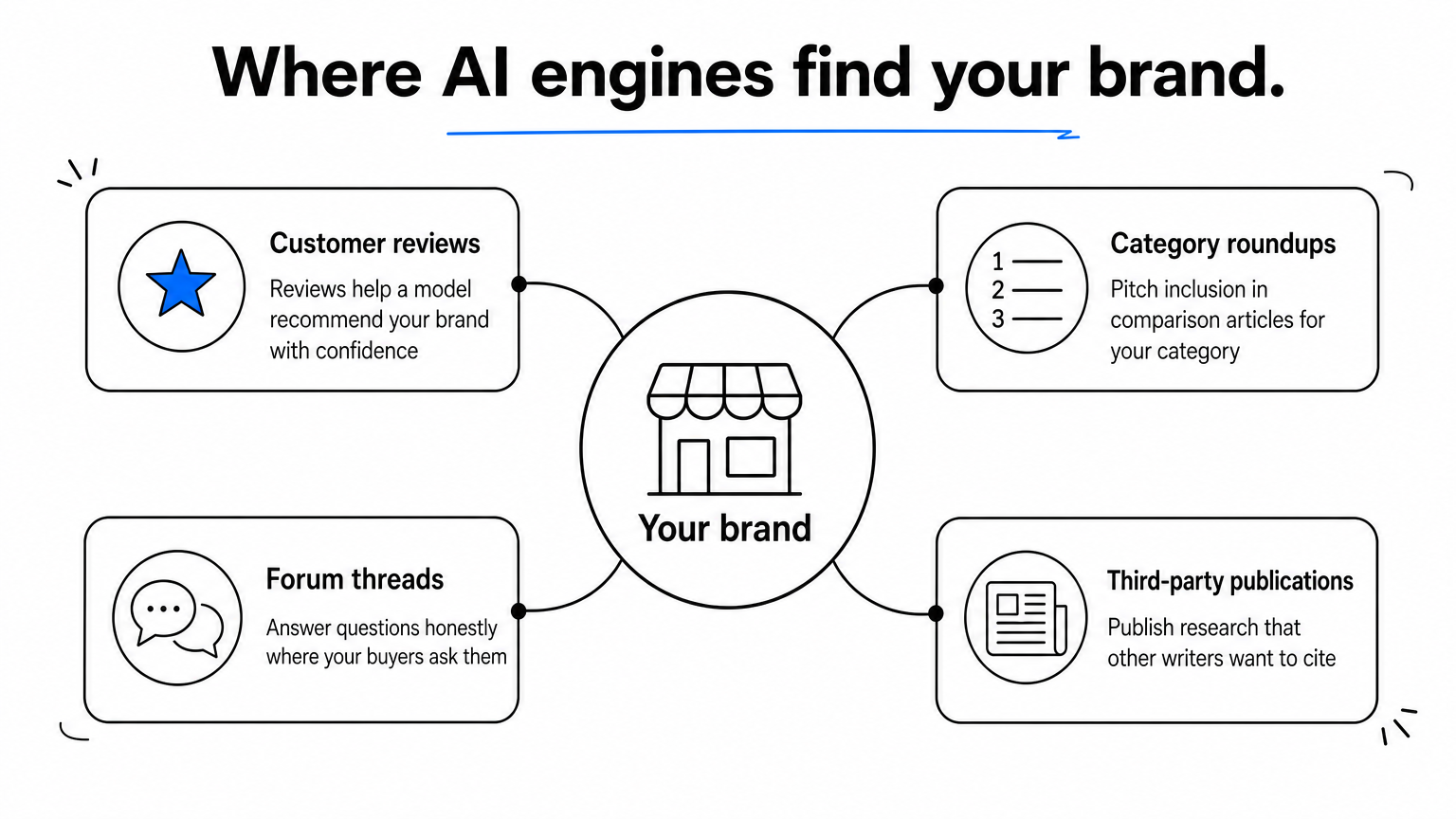
Work on off-site presence the way you would work on links. Pitch inclusion in comparison articles for your category. Answer questions honestly in the communities where your buyers ask them. Publish research that other writers want to cite. Then keep your brand description consistent across your site, profiles and listings, because models repeat what the web says about you, including outdated claims.
Models recommend the brands the rest of the web already talks about.
Newer brands with a thin web footprint, and established brands whose product line has changed. Assign one owner, usually in PR or partnerships, and review where competitors are cited each quarter. Those gaps are your target list.
Track whether AI engines mention you, cite you and send visits, because without measurement you are guessing. This strategy also tells you whether strategies 1 to 4 are working.
Build a list of 20 to 50 real customer prompts and run them regularly in ChatGPT, Google AI Overviews and Perplexity. Answers vary between runs, so look at trends, not single results.
| What to track | What it tells you | Where to find it |
|---|---|---|
| Mentions and citations per prompt | Share of AI answers you appear in | Manual checks or an AEO tool |
| AI referral sessions | Visits that AI engines send | Analytics referrer reports |
| Crawler requests by bot | Which engines read your pages | Server or edge logs |
Run the same prompts every month and the trend tells you more than any single answer.
Teams that already did strategies 1 to 4 and need proof. Our Sherlock agent identifies and verifies AI crawlers and bots at the edge and streams that data to AEO and analytics tools, so those tools work with complete bot data.
The order matters. Fix crawler access first, then publish original, well-structured pages, then build mentions off your site, and measure all of it so you can repeat what works. Skip the engine-specific tricks, because the basics carry across every engine on this list.
If bots and crawler access are your first hurdle, see how Edge Protect filters bad bots while letting verified AI crawlers through.


