ChatGPT, Perplexity, and Google AI Overviews are quietly rerouting how customers discover ecommerce brands, and most teams have no idea whether their storefront even shows up in those answers. If you're hunting for the best answer engine optimization solutions for AI tech, you've probably already noticed traditional SEO dashboards don't tell you anything about AI crawler traffic or how often your brand gets cited in a generated response. That gap is exactly why AEO tools exist, and picking the right one matters more each month as AI-driven referrals grow.
This article answers the question directly: which platforms actually help you track, verify, and optimize for AI answer engines right now, not just SEO tools rebranded with an AI label. We break down 11 vetted solutions, covering what each one measures, who it's built for, and where it fits into a broader traffic strategy.
We built this list from the vantage point of running edge agents across 300+ ecommerce storefronts, where AI crawler detection and bot traffic verification are daily work, not theory. You'll get a practical comparison of platform strengths and limitations, so you can match a solution to your brand's size, tech stack, and how much engineering time you actually have to spend on it.
Nostra AI takes a different approach than most tools on this list because it doesn't just report on AI visibility, it actively manages the edge infrastructure where AI crawlers first touch your storefront. Instead of a dashboard you check once a week, you get five specialized AI agents running continuously, one of which, Sherlock, is purpose-built for AI Engine Optimization. That distinction matters if you're comparing answer engine optimization solutions for AI tech that only analyze content versus ones that also control what AI bots actually see and how much page speed matters for AEO.

Deployment happens at the DNS level, so there's no code change or replatform required, just a single record update and you're live within a day. From there, Nostra AI enters a 2-week observation window where its agents learn your store's traffic patterns, page structure, and bot behavior before shifting into automated enforcement. Sherlock specifically identifies and verifies AI crawler and bot traffic in real time, sorting good bots from bad bots, feeding that verified data into your AEO strategy so you know exactly which AI engines are indexing your product pages and how often.
Knowing which AI crawlers touch your storefront is the first step to optimizing for the answers they generate.
Mid-size to large ecommerce and DTC brands that want AI crawler visibility bundled with site speed, bot protection, and identity tracking, without hiring engineers to manage it. If your team lacks bandwidth for manual log file analysis for SEO, this is built for you.
Nostra AI pricing is customized based on traffic volume and which agents you deploy. Most brands start with a guided rollout and observation period before committing to a full plan.
LLMrefs built its entire product around one question: does your brand show up when someone asks ChatGPT, Perplexity, or Gemini for a recommendation? Unlike traditional rank trackers, it treats AI answer visibility as the primary metric instead of an afterthought bolted onto keyword tracking. That focus makes it one of the more purpose-built answer engine optimization solutions for AI tech, especially if you want a clean, singular view of citation performance across models.
Starting with a list of prompts and topics relevant to your brand, LLMrefs queries multiple large language models on a recurring schedule and logs whether, where, and how often you're cited. It then compares your citation frequency against named competitors, so you can see who's winning the answer for a given query.
If you're not tracking citation share across AI models, you're guessing at your AI visibility instead of measuring it.
Marketing teams that need a straightforward, prompt-based visibility tracker without infrastructure changes or engineering involvement.
LLMrefs offers tiered monthly plans based on prompt volume and tracked domains, with a free trial available for smaller test cases before committing to a paid tier.
Semrush added its AI Visibility Toolkit on top of an already massive SEO suite, so you're getting AEO tracking bundled with keyword research, backlink data, and site audits you probably already use. Rather than a standalone niche tool, this option suits teams that want AI citation tracking without adding another subscription to the stack. It's one of the more recognizable AI search visibility tools on the market, mostly because Semrush already had the traffic and brand trust before AI answers became a search category.
Using your existing Semrush project, the toolkit monitors how often your domain gets cited in AI Overviews and chatbot responses, then cross-references that against your ranked keywords. Reports surface which queries trigger AI citations and which competitors are capturing the same answer space.
Bundling AEO tracking into a tool you already pay for only helps if the AI data is as deep as a dedicated tracker's.
Teams already running Semrush for traditional SEO who want AEO data folded into the same dashboard instead of managing a separate tool.
AI Visibility features require an existing Semrush subscription, which starts around $139.95 per month, with AI tracking often gated behind higher-tier plans or add-ons.
Ahrefs built its reputation on backlink data, but its Brand Radar feature now tracks how often you get mentioned in AI Overviews and chatbot answers alongside traditional rankings. Given how many SEO teams already run Ahrefs for keyword and link research, folding AI citation tracking into the same login makes it a practical entry point rather than a dedicated AEO tool you'd need to justify separately.
Running off Ahrefs' existing crawl and index infrastructure, Brand Radar scans AI-generated answers for brand mentions and links, then maps them against your ranked keywords and known competitors. You get a mention count over time, plus the specific prompts and topics where your brand shows up versus where a rival gets cited instead.
A brand mention buried inside a keyword tool only matters if you actually check the report; most teams don't.
SEO teams already deep in Ahrefs' ecosystem who want a first look at AI mention volume without adopting a separate platform, and who don't need real-time crawler-level detection.
Ahrefs plans start around $129 per month for the Lite tier, with Brand Radar and AI tracking features typically available on Standard plans and above, priced closer to $249 per month.
Conductor built its name in enterprise SEO before AI answer engines became a boardroom topic, and it now layers AI Overview tracking on top of its existing content intelligence platform. Companies already running Conductor for organic search planning get AEO data as an extension of workflows their content and SEO teams already know, rather than a bolt-on report nobody opens. That makes it one of the more enterprise-friendly answer engine optimization solutions for AI tech, particularly for brands with content teams spread across multiple departments.
Content briefs and topic research inside Conductor now flag which pages are likely to earn AI citations, based on structure, entity coverage, and how competitors' cited pages are formatted. The platform pairs this with its existing content performance scoring, so writers see AEO recommendations alongside the same guidance they already use for traditional rankings.
AI citation guidance only sticks when it lives inside the same workflow your writers already use daily.
Large organizations with dedicated content teams who need AEO guidance built into an existing enterprise content platform rather than a standalone tracker.
Conductor doesn't publish public pricing; enterprise plans are quoted based on team size and content volume, and typically require a sales conversation before you see a number.
Clearscope built its reputation as a content optimization tool long before AEO became a buzzword, and it now layers AI citation signals on top of the same content grading engine that made it popular with content marketers. Grounded in NLP-driven keyword and entity analysis, it helps writers cover a topic thoroughly enough that both traditional search and AI answer engines have a reason to pull from your page. That thoroughness is exactly what separates a page that gets cited from one that just ranks.
Pasting a target keyword into Clearscope generates a content grade based on term frequency, related entities, and readability compared against top-ranking pages. Writers use that grade while drafting, and Clearscope now flags which terms and structures correlate with AI Overview citations, giving you a rough proxy for AI answer visibility even though it isn't a dedicated crawler-tracking tool.
Content that thoroughly answers a question earns citations; content that just targets a keyword usually doesn't.
Content teams and freelance writers who need clear, actionable guidance while drafting, rather than a standalone dashboard for monitoring AI crawler traffic.
Clearscope plans start around $189 per month for smaller teams, with higher tiers scaling by the number of content reports and users needed.
MarketMuse approaches content strategy from a different angle than most tools on this list, using AI-driven content scoring to map entire topic clusters before a single article gets written. Rather than optimizing one page at a time, it builds a content inventory that shows where your site has topical gaps AI answer engines would otherwise fill with a competitor's page instead. That top-down view makes it one of the more strategic AEO tools for content planning, especially for brands managing hundreds of product and category pages.
Scanning your existing site alongside top-performing competitor content, MarketMuse generates a topic model that scores how comprehensively you cover a subject compared to what's already ranking and getting cited. It then recommends specific clusters to build out, prioritized by the gap between your current coverage and what AI answer engines seem to reward.
A content gap you can't see is a citation you'll never earn.
Content and SEO leads managing large catalogs who need a strategic roadmap for closing topical gaps, not just per-page optimization advice.
MarketMuse offers a limited free plan, with paid tiers starting around $149 per month and scaling toward enterprise pricing for larger content teams.
Frase built its name as a fast, budget-friendly alternative to heavier content platforms, and it now bundles an AI answer engine feature directly into its content editor. Rather than treating AEO as a separate report, Frase lets you generate a page outline, check it against top-ranking and AI-cited competitors, then ask its built-in chatbot how a query would likely get answered. That combination makes it approachable for smaller teams who want AI content optimization without learning a second interface.
Starting from a target query, Frase pulls the top-ranking pages and summarizes what they cover, then generates a content brief with headings and questions pulled from People Also Ask and related searches. Its AI chat feature lets you simulate how an answer engine might respond to a prompt, giving you a rough sense of whether your draft covers what a chatbot would cite.
A brief built from real searcher questions beats one built from guesswork every time.
Smaller marketing teams and solo content creators who need affordable, question-driven briefs rather than enterprise-level crawler tracking.
Frase plans start around $45 per month for solo users, with team plans scaling up based on the number of content briefs and seats needed.
Surfer made its name with on-page SEO scoring, and it now extends that same data-driven grading toward AI Overview and chatbot citation patterns. Rather than a separate AEO module, Surfer folds citation signals into the same content editor teams already use to hit keyword targets, so writers get one score instead of juggling two tools. That integration is why Surfer keeps showing up in comparisons of answer engine optimization solutions for AI tech, even though its roots are firmly in traditional SERP optimization.
Running a content audit, Surfer analyzes your target keyword against the top-ranking and AI-cited pages, then scores your draft on structure, term usage, and word count. Its Content Editor updates that score in real time as you write, flagging missing subtopics and entities that competitor pages covered before earning a citation.
A live score only helps if it's measuring what actually earns a citation, not just what ranks.
Content teams that already lean on data-driven scoring for traditional SEO and want AI citation signals layered in without adopting a new workflow.
Surfer plans start around $89 per month for the Essential tier, with higher tiers unlocking more content audits, users, and the Content Planner feature.
AlsoAsked takes a narrower approach than most tools on this list, focusing entirely on mapping the question trees people ask around a topic, the same questions that feed both Google's People Also Ask boxes and the prompts users type into ChatGPT or Perplexity. Rather than tracking citations directly, it shows you the raw question data that AI answer engines are already synthesizing into responses, which makes it a useful research layer even though it isn't one of the AEO monitoring tools built to verify crawler traffic.
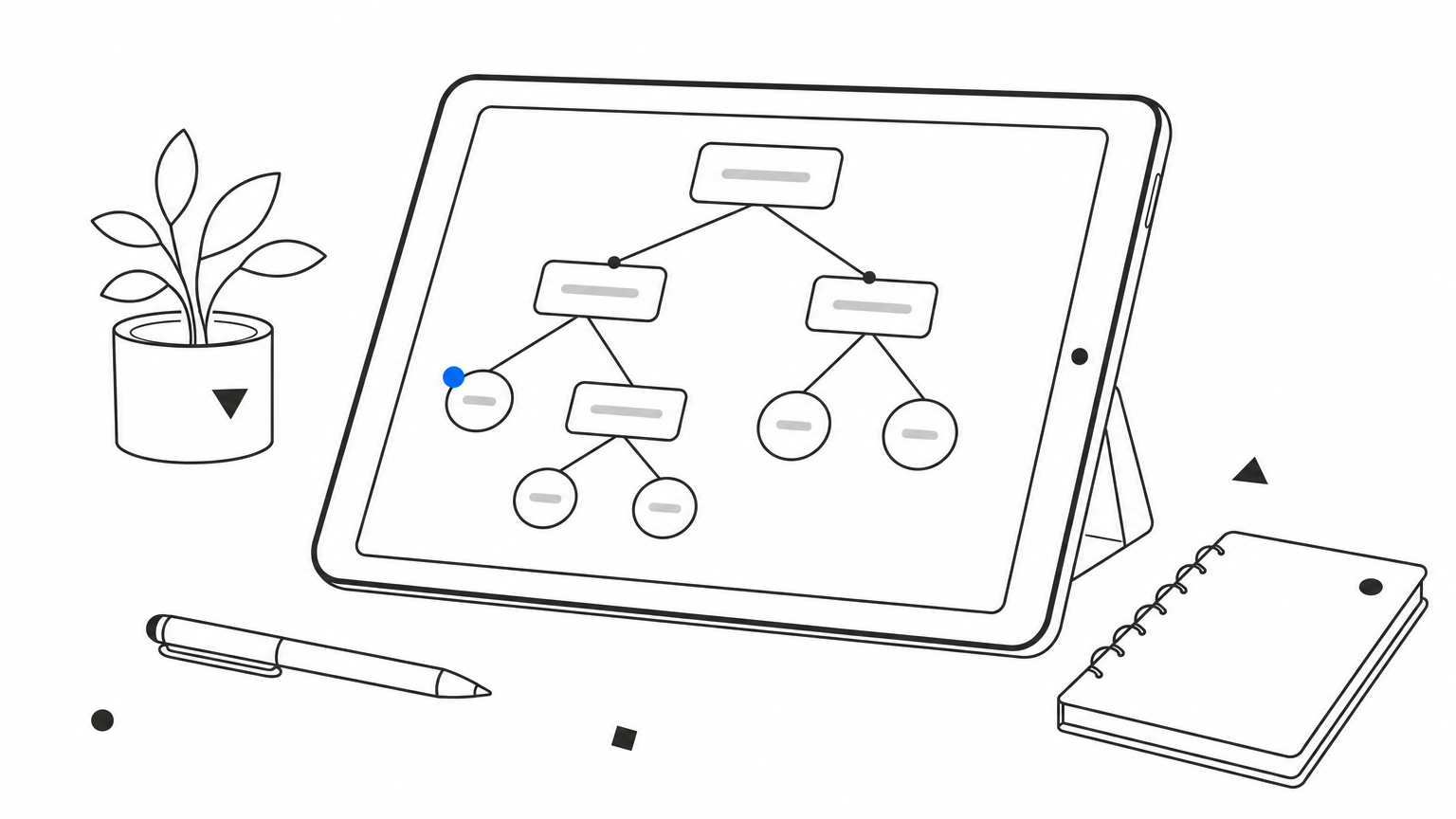
Typing in a seed keyword triggers AlsoAsked to scrape related question data and build a visual tree showing how one question branches into follow-up questions searchers commonly ask next. You can export that tree, filter by country or language, and rerun searches over time to see how question patterns shift as a topic evolves.
If you know the exact questions people ask before they ask an AI chatbot, you can write the answer before a competitor does.
Content researchers and strategists who want raw question data for planning FAQ pages and long-tail content, not a citation tracker.
AlsoAsked offers a limited free tier, with paid plans starting around $15 per month for individual users and scaling for agencies needing more searches.
AnswerThePublic turns a single seed keyword into a visual sprawl of every question, preposition, and comparison people type into search bars, which happens to overlap heavily with what people ask AI chatbots too. Grounded in autocomplete and search suggestion data, it's less a citation tracker and more a raw research tool you'd use before writing anything meant to earn an AI answer. If you're comparing AI search visibility tools for pure question discovery, this is the oldest and most recognizable name in that specific niche.
Querying the tool pulls autocomplete data from search engines and arranges it into visual clusters organized by question words like who, what, why, and how, plus prepositions and comparisons. You export the results as a report or spreadsheet, then use that raw list to shape headings, FAQ sections, and the exact phrasing a chatbot might echo back in a generated answer.
The questions people type before asking an AI are the same ones you should be answering on the page.
Content teams doing early-stage topic research who need broad question coverage rather than citation monitoring or crawler-level verification.
AnswerThePublic offers a limited free daily search, with paid plans starting around $9 per month for individuals and scaling for agency-level search volume.
Matching a tool to your actual problem matters more than picking the most popular name on this list. A content team drowning in briefs needs Clearscope or Frase, while a growth lead trying to verify actual AI crawler traffic, or decide whether to block AI crawlers on an ecommerce store, needs something that watches the edge, not just the SERP. Start by asking whether you need citation tracking, content optimization, or crawler-level verification, because most tools on this list only do one of those three well.
The right AEO tool matches the problem you actually have, not the one with the flashiest dashboard.
Budget and engineering bandwidth narrow the list fast. If your team has no spare engineering hours, ruling out anything that requires a rebuild or a new content workflow saves weeks of internal debate.
| Priority | Look for |
|---|---|
| Verifying real AI crawler traffic | Edge-level detection, not just citation reports |
| Drafting content that earns citations | Content grading tied to entity and topic coverage |
| Competitive citation benchmarking | Multi-model tracking against named rivals |
| Zero engineering lift | DNS-level deployment, no code changes |
| Enterprise content workflows | Briefs and scoring built into existing tools |
Stack size matters too. A solo content creator doing early research is fine with AnswerThePublic or AlsoAsked. An ecommerce brand protecting checkout revenue and ad spend needs infrastructure-level visibility, which is where Nostra AI fits, bundling AI crawler verification with speed, bot protection, and identity tracking under one deployment instead of five separate subscriptions.
None of these 11 tools matter if you never act on what they show you. Citation trackers tell you where you stand, content graders help you write pages worth citing, and question-mining tools give you the raw material to start. But visibility without verification is just a guess dressed up as data. You still need to know whether the traffic hitting your storefront is a legitimate AI crawler, a scraper, or a bot wasting your ad spend, and whether your pages load fast enough for that crawler to bother indexing them at all.
Start with whichever tool matches your immediate gap, then build outward. If content coverage is the problem, grab a grader. If you're flying blind on actual crawler traffic, that's an infrastructure question, not a content one. That's exactly the gap Nostra AI closes, verifying every AI crawler and shopper at the edge while it speeds up, protects, and tracks the rest of your storefront.


.svg)
